Startup Accounting in Chicago: A Guide for New Businesses
It’s estimated that there are currently about 687,000 small businesses operating in the greater Chicagoland area. While Chicago’s ecosystem offers plenty of opportunities to turn an idea into a business, getting started takes more than a promising concept. Without reliable Chicago startup accounting and bookkeeping, it can be hard to maintain or scale a successful business. Here, we’ll walk you through the essentials of Chicago small business accounting for startups so you can build good financial habits from the beginning.
Quick Overview: Chicago Startup Accounting
- Choose a business structure, complete applicable registrations, and separate business and personal finances.
- Obtaining an employer identification number (EIN) from the IRS when required
- Plan for federal, Illinois, and Chicago taxes, including applicable sales tax and payroll responsibilities.
- Track industry-specific costs to understand cash flow and profitability.
- Consider professional support when records fall behind, or financial needs become more complex.
Set Up Your Business Before Setting Up Your Books
Ideally, small business owners should take a few steps to create their business infrastructure prior to starting bookkeeping. This will help ensure that your business is registered correctly in 2026 and beyond, and your finances are organized so you have a stronger foundation. The three primary things to do include:
Choose Your Business Structure
Your business structure affects tax reporting, ownership, and personal liability, so it’s an important thing to decide. Some of the most common options include sole proprietorships, partnerships, LLCs, and corporations, all of which have various advantages and downsides. If you’re not sure which entity to choose, a certified public accountant in Chicago can explain the tax implications, while an attorney can help with legal considerations.
Understand Chicago and Illinois Business Registration Basics
IRS and legal requirements can also vary by business type, location, and activities. For example, Illinois tax laws can be different depending on whether you’re in the suburbs or operating a company in Chicago. To help stay compliant, steps include:
- Filing formation documents with the Illinois Secretary of State if you’re establishing an Illinois LLC or corporation
- Obtaining an employer identification number (EIN) from the IRS when required
- Registering for applicable state tax accounts through MyTax Illinois
- Checking Chicago business licensing, zoning, and industry-specific requirements
Separate Your Business and Personal Finances
Finally, always use a dedicated business bank account and, when possible, a separate business credit card to simplify expense tracking and reconciliation. Keep receipts for startup purchases, and clearly document owner contributions, withdrawals, and any business expenses paid with personal funds.
Build a Startup Accounting System From Day One
After establishing the basics, it’s important to create an accounting system that will keep financial statements and tax planning details organized. Being consistent with this can make it easier to keep your books up to date as your business grows. If you need additional bookkeeping or accounting services, or aren’t quite sure how to get started, working with a reputable accounting firm in Chicago is recommended. If you want to try doing things yourself, it’s important to follow the steps below.
Choose an Accounting Method
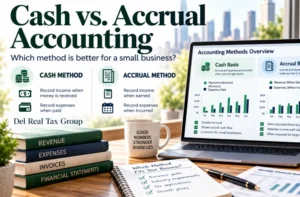
You’ll need to choose which accounting method to use for your business. Cash accounting records income when you receive payment and expenses when you pay them. Accrual accounting records revenue when it’s earned and expenses when they’re incurred, even if payment happens later. If you’re not sure, partner with a CPA firm for advisory services or additional help.
Select Accounting Software That Fits Your Business
Next, it’s important to choose a small business accounting software that will help support you during the startup phase and is scalable for growing companies. Try to look for software that handles your everyday tasks and works with the tools you already use. Useful features include:
- Bank connections that simplify transaction imports and reconciliation
- Invoicing tools that help you track customer payments
- Receipt storage and expense categorization
- Integration with payroll, inventory, or point-of-sale systems
- Financial reports that help you monitor business performance
Organize Your Chart of Accounts and Financial Records
Your company’s chart of accounts is essentially a complete list of every financial account that’s used in your business. It includes all revenues, expenses, assets, liabilities, and even owner equity, and is important for both organizational needs and potential audits. Make sure you’re keeping these up to date, alongside any other important information necessary for a complete financial record, such as receipts, invoices, contracts, and payment records. Record startup purchases carefully, since equipment, preopening costs, and ongoing expenses may require different accounting treatment.
Record startup purchases carefully, since equipment, preopening costs, and ongoing expenses may require different accounting treatment. Following a monthly bookkeeping checklist can also help you organize financial records, review transactions, and keep your accounts up to date.
Understand Your Startup’s Tax Responsibilities
Your startup’s tax obligations depend on its structure, location, sales, and employees. However, it’s important to understand the requirements early to avoid compounding problems for both your accounting and business needs. Some of the most notable things that startups in Chicago should be aware of include the following:
Federal and Illinois Business Taxes
Your business may have federal income tax obligations, while owners may also owe self-employment tax and need to make estimated payments. Illinois requirements vary by tax classification, with income and replacement taxes applying differently to corporations, partnerships, and other businesses. Accounting professionals can help identify the returns and payment deadlines that apply to you.
Chicago Taxes and Industry-Specific Obligations
Chicago administers local taxes that may apply in addition to state and federal obligations. Restaurants, for example, may owe the city’s restaurant tax, while certain equipment rentals and other transactions may fall under the personal property lease transaction tax. Check your activities against the city’s tax requirements rather than assuming state registration covers everything.
Sales Tax and Payroll Responsibilities
If you sell taxable products, determine your registration, collection, and filing obligations before making sales. Hiring employees brings additional responsibilities, including applicable income tax withholding, Social Security and Medicare taxes, and unemployment taxes. Set up the necessary accounts and payroll processes before your first payday. Professional payroll accounting services can help your startup manage employee payments, payroll records, and related reporting obligations.
Startup Costs and Potential Tax Deductions
Keep records of expenses, equipment purchases, and ongoing operating costs, as these can also require different treatment during tax preparation. Working with a professional can help with financial planning to maximize your tax refund each year.
Plan for the Chicago Accounting Needs of Your Industry
Your industry influences which costs, transactions, and financial metrics you need to track. Therefore, it’s important that you tailor your accounting system to how your business operates. Some examples for various industries include the following:
- Restaurants and Food Businesses: Track food costs, inventory, payroll, and sales across dine-in, takeout, and delivery orders. Reconcile deposits with point-of-sale records to account for tips, processing fees, and delivery charges.
- Contractors and Construction Startups: Track materials, labor, and subcontractor expenses by project to compare actual costs with your estimates. Monitor deposits, progress payments, and supplier bills to anticipate cash shortages.
- Real Estate Businesses: Organize rental income and expenses by property to assess performance. Keep security deposits, loan payments, repairs, and major improvements clearly categorized.
- Technology Startups: Monitor recurring revenue, software expenses, development costs, and funding transactions. Track cash runway to estimate how long available funds can support operations.
- Professional Service Businesses: Track billable time, project expenses, and unpaid invoices to understand client profitability. Compare project revenue with the time and resources required to deliver the work.
- Retail and E-Commerce Businesses: Monitor inventory costs, sales, returns, and payment processing fees across sales channels. Account for shipping and marketplace charges when evaluating product margins.
- Salons and Fitness Studios: Track appointment, membership, and package sales alongside rent, supplies, and staffing costs. Monitor prepaid services separately so you can account for services still owed to customers.
- Transportation and Delivery Businesses: Track fuel, vehicle maintenance, insurance, and financing costs by vehicle or service where practical. Compare these expenses with revenue to assess route or job profitability.
When Should You Use Professional Accounting and Bookkeeping Services in Chicago?
Professional accounting and bookkeeping services can help from the start, especially if you’re unsure how to organize your records or establish financial processes. As your business grows, getting support becomes particularly useful when:
- Bookkeeping takes time away from serving customers or managing operations
- Transactions go unrecorded, accounts aren’t reconciled, or receipts pile up
- You hire employees, carry inventory, or manage multiple revenue streams
- You struggle to explain your profits, expenses, or cash flow
- You need reliable financial statements to apply for financing or approach investors
- You’re uncertain about tax obligations or how to prepare for upcoming payments
A bookkeeper can maintain transaction records, reconcile accounts, and keep your books current. An accountant can interpret those records, advise on tax planning, and help you evaluate financial decisions. Many professional CPAs and accounting firms provide both services, giving your startup ongoing support as its needs change.
To help give your new business a strong financial foundation, partner with the team at Del Real Tax today. We offer a variety of tax services and financial services aimed at helping growing companies throughout the Chicago area and beyond. Contact us today to learn more.